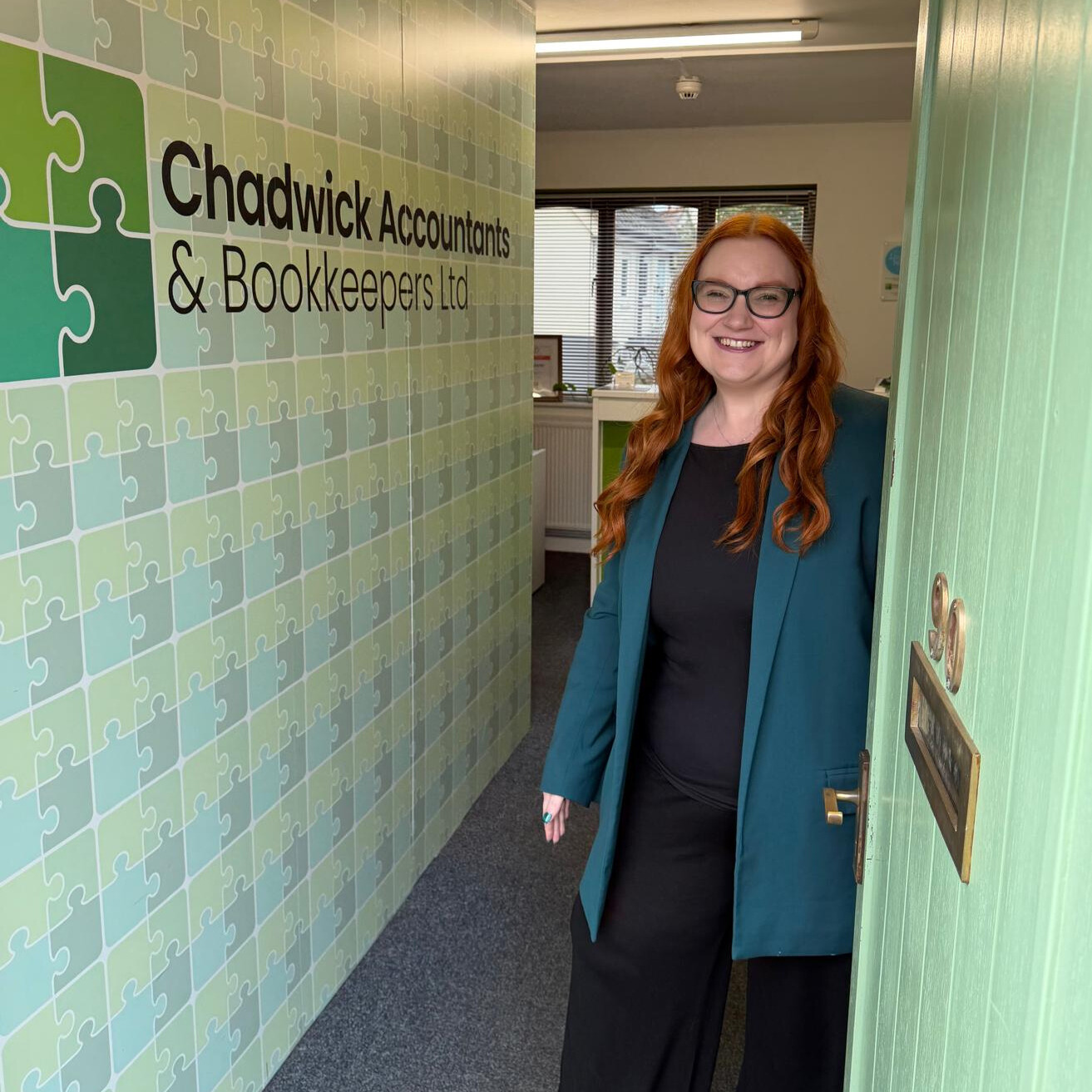
As businesses grow, so should their structure. What works in the early days often becomes inefficient, restrictive and unnecessarily expensive as profits increase. This was exactly the position one of our clients found themselves in before turning to us at Chadwick Accountants & Bookkeepers Ltd, Warwickshire-based, award-winning practice led by Chartered Accountant and Managing Director Rachael Chadwick-Harrison.
The client had been trading successfully as a partnership and generating healthy, rising profits. On the surface, everything looked positive. But behind the scenes, their tax exposure was climbing year on year. All profits were taxed personally as they arose, regardless of how much cash the partners actually needed to draw. As income increased, so did higher-rate tax and National Insurance liabilities, with very little flexibility or control.
They came to us with one clear question: is our structure still fit for purpose?
At Chadwick Accountants, we don’t give generic advice. We model scenarios, stress-test structures and provide clear, data-led answers. We carried out a full strategic review and built multiple projections, comparing their current position with planning in place, a “no planning” scenario, and the outcome of remaining as a partnership. We then overlaid an incorporated structure to demonstrate how profits would instead be taxed first at corporation tax rates, with income extracted in a controlled and tax-efficient way.
The numbers spoke for themselves.
With structured planning in place, total tax and National Insurance sat at approximately £19,000. Without planning, exposure rose to around £33,000, including a significant additional charge linked directly to drawings. Remaining as a partnership resulted in a liability of approximately £21,000, with all profits taxed personally.
The difference between a well-planned incorporated structure and an unplanned position was around £14,000 at current profit levels alone.
But what truly mattered was control and risk reduction. Under the partnership model, misaligned drawings and profit timing could trigger unexpected tax bills. By incorporating, the client gained flexibility. Profits could be retained, reinvested or extracted gradually. Cashflow became strategic rather than reactive. Future planning became proactive rather than defensive.
This is where our expertise makes the difference. We don’t just process accounts, we design structures that support long-term growth. We ensure clients understand not just the immediate tax saving, but the forward impact as profits rise.
Once profits exceed £100,000, partnership taxation becomes increasingly inefficient as individuals move firmly into higher-rate tax bands and begin losing personal allowances. At that point, every additional pound is taxed heavily and immediately. A limited company structure allows profits to be managed over time, meaning the tax advantage compounds year on year, something our modelling clearly demonstrated.
For this client, incorporation reduced tax immediately, removed risk and created a platform for sustained growth.
The key takeaway? Business structure is not a one-time decision. With the right advice, at the right time, it can transform both profitability and peace of mind.
At Chadwick Accountants, that’s exactly what we do.